I-35W North Gateway Online Meeting
Welcome
The Minnesota Department of Transportation welcomes you to the I-35W North Gateway Study virtual public meeting. This online engagement is a first-look at why we’re studying this stretch of I-35W, the progress we’ve made to-date, and what comes next.
How to navigate
- Click on the arrow on the right side of your screen.
- Use the navigation bar on the left side of your screen to revisit any part of the meeting.
How to provide a comment
Simply click on the “Comment” button at the top right of your screen. We look forward to receiving your input and continuing to work with you throughout the study.
Alternative format
If you need this information in an alternative format or language, contact: Janet Miller at 651-366-4720 or email janet.rae.miller@state.mn.us.
Introduction
What is the I-35W North Gateway Study?
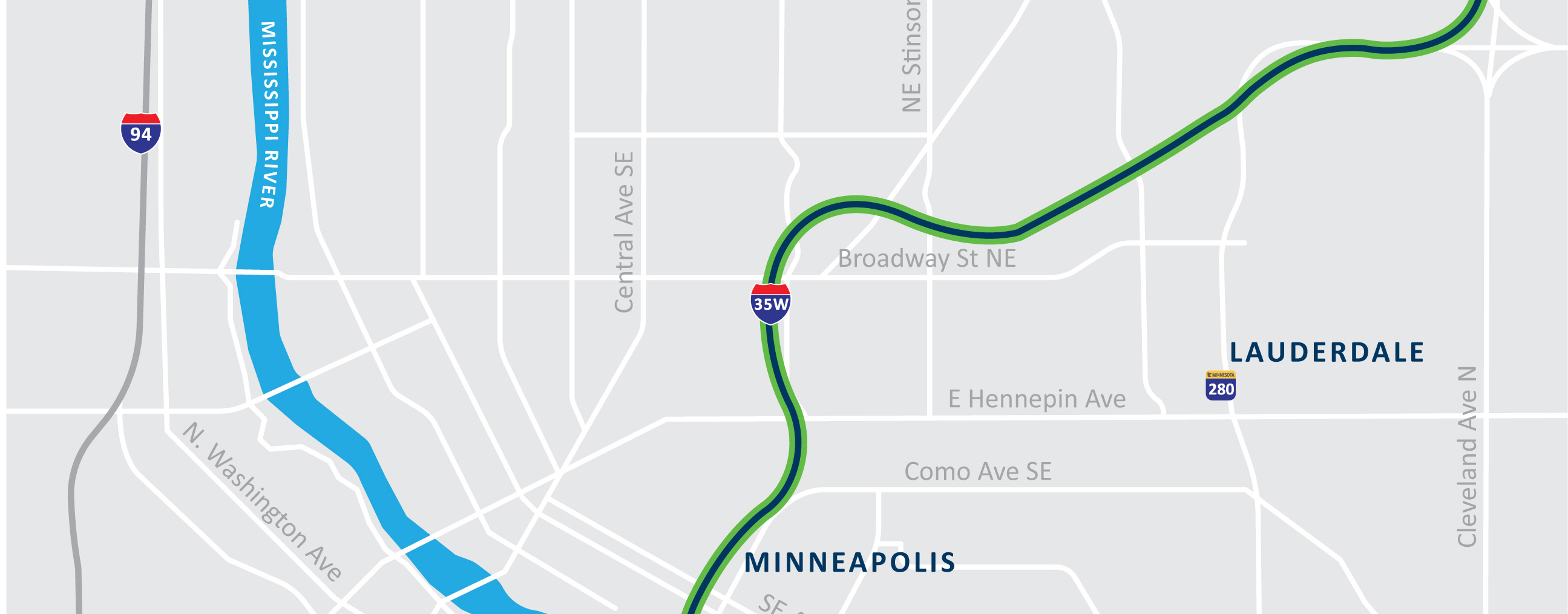
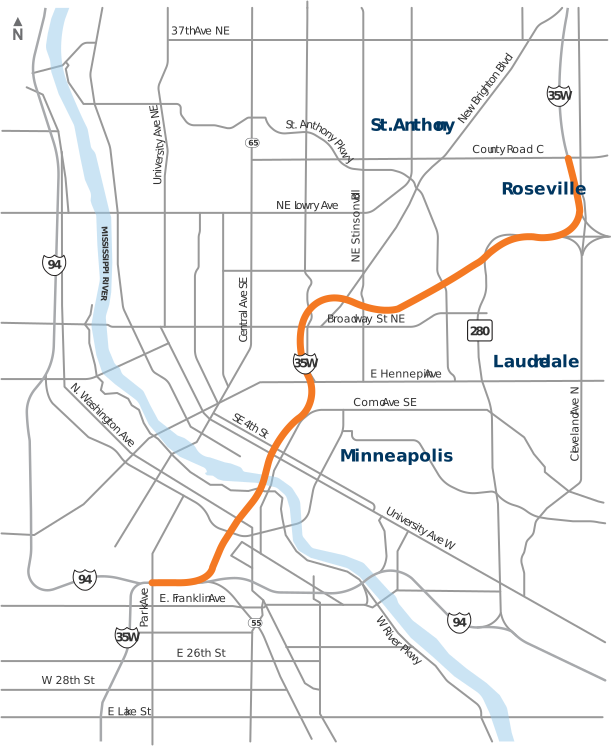
We’re evaluating I-35W between Park Ave. in Minneapolis and County Road C in Roseville to develop a vision for this stretch of I-35W, including highway crossings, and identify potential future transportation improvements for pedestrians, bicyclists, motorists and transit riders.
Why are you here?
- To learn more about the study
- To understand the needs of the study area
- To tell us: did we identify the correct issues related to traveling on and across this stretch of I-35W?
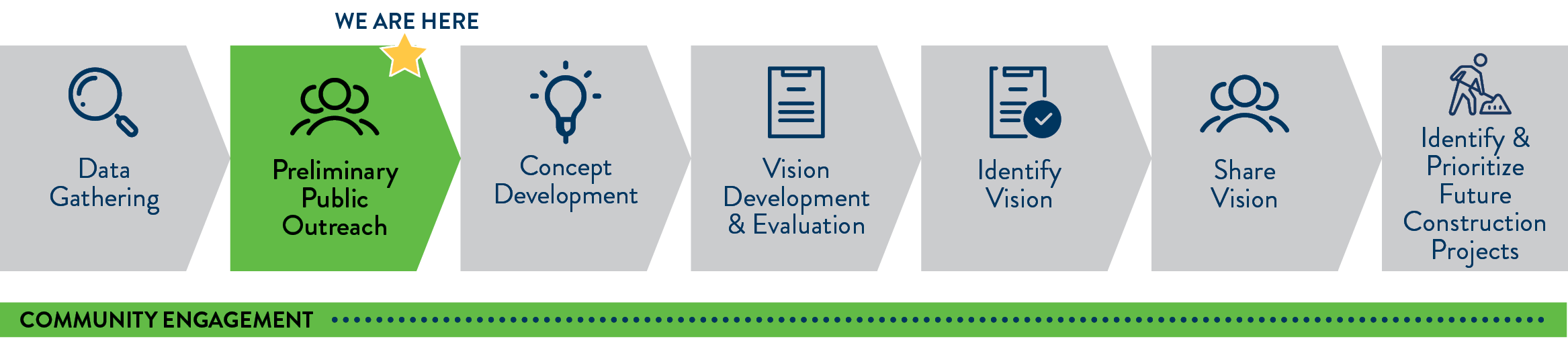
Study schedule
Pavement condition
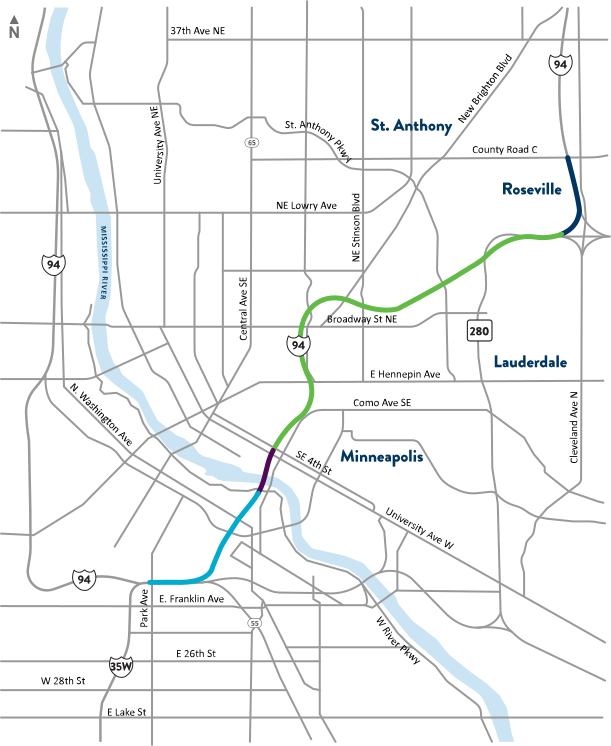
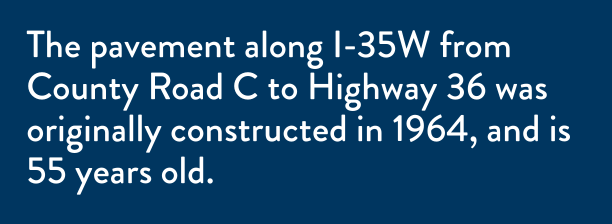
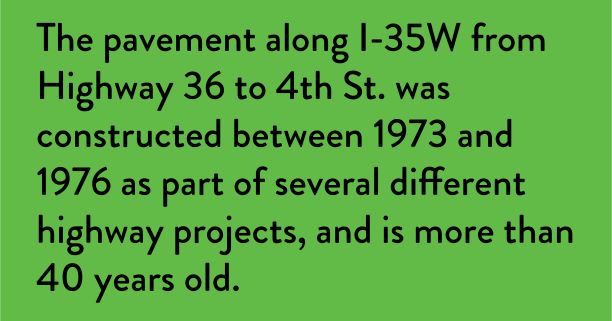
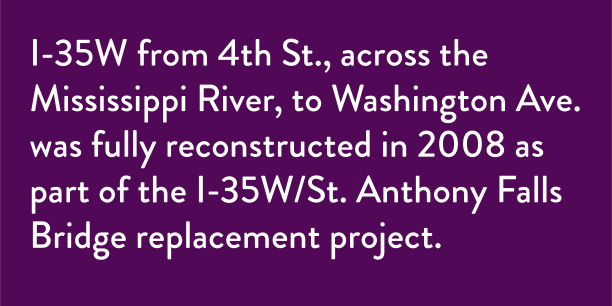
How bad is it?
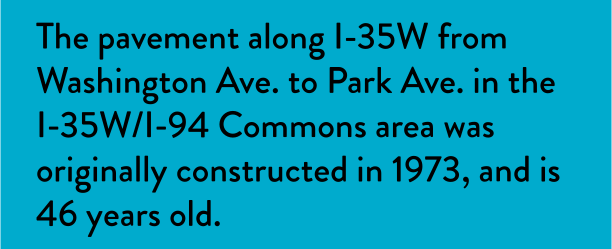
I-35W within the study area has the original pavement that was constructed 50 years ago, which means cracks and potholes develop faster and fixes, like resurfacing the road, don’t last long.
MnDOT recently resurfaced I-35W between University Ave. and County Road C in 2018 and I-35W from Park Ave. to Washington Ave. in 2019. These efforts should keep this aging pavement in fair condition for another 10-15 years. However, the next time work is needed, it will be more cost effective to replace the pavement instead of make another repair.
Reliable trips
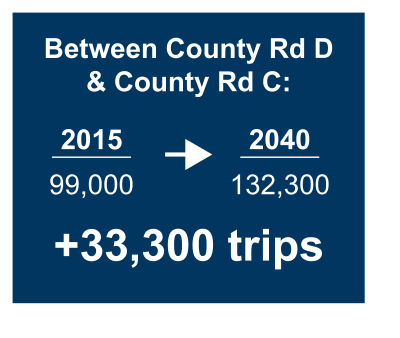
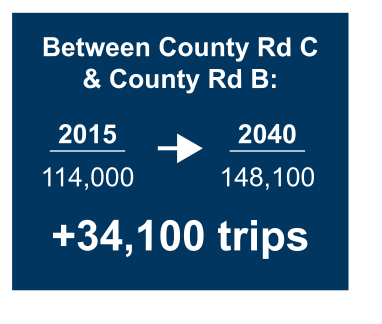
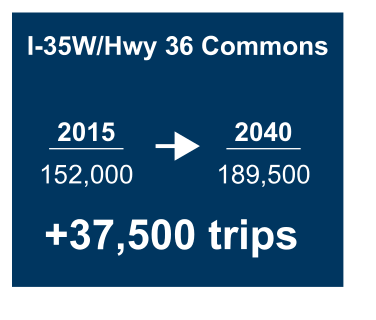
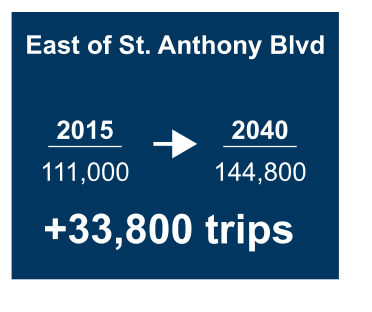
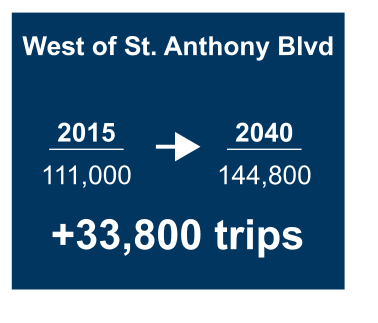
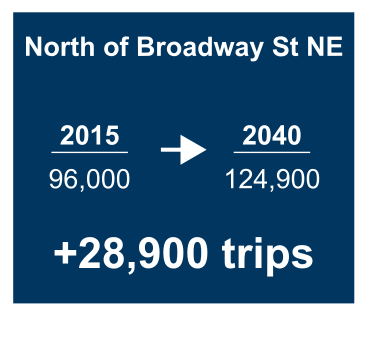
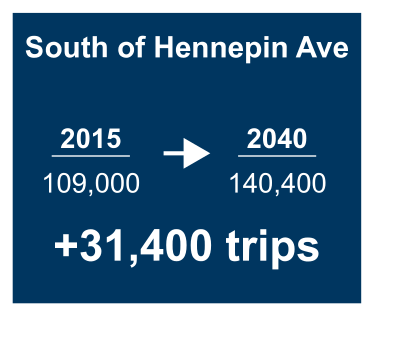
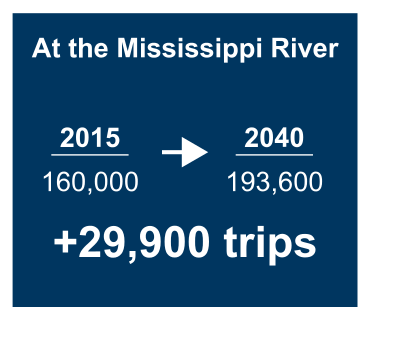
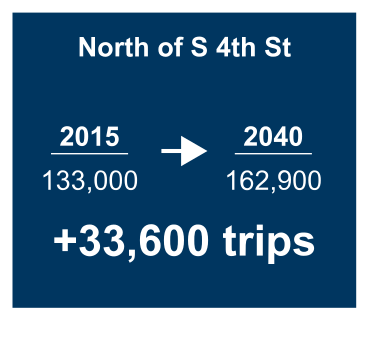
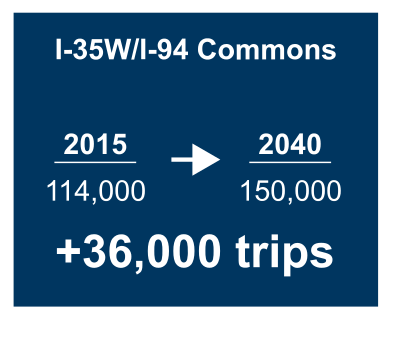
Trip reliability within the study area is poor based on congestion levels, operations and unpredictability during the morning and afternoon rush-hours.
In 20 years, there could be as many as 37,500 more trips per day within this stretch of I-35W, compared to the number of trips people make today.
Why is this important?
If no improvements are made within the study area by 2040, the range in travel times, or unpredictability, is projected to increase by as much as 25 minutes per trip during the peak rush-hours. And that’s on top of the more than 10 minutes of unpredictability that many motorists and transit riders experience today.
Transit demand
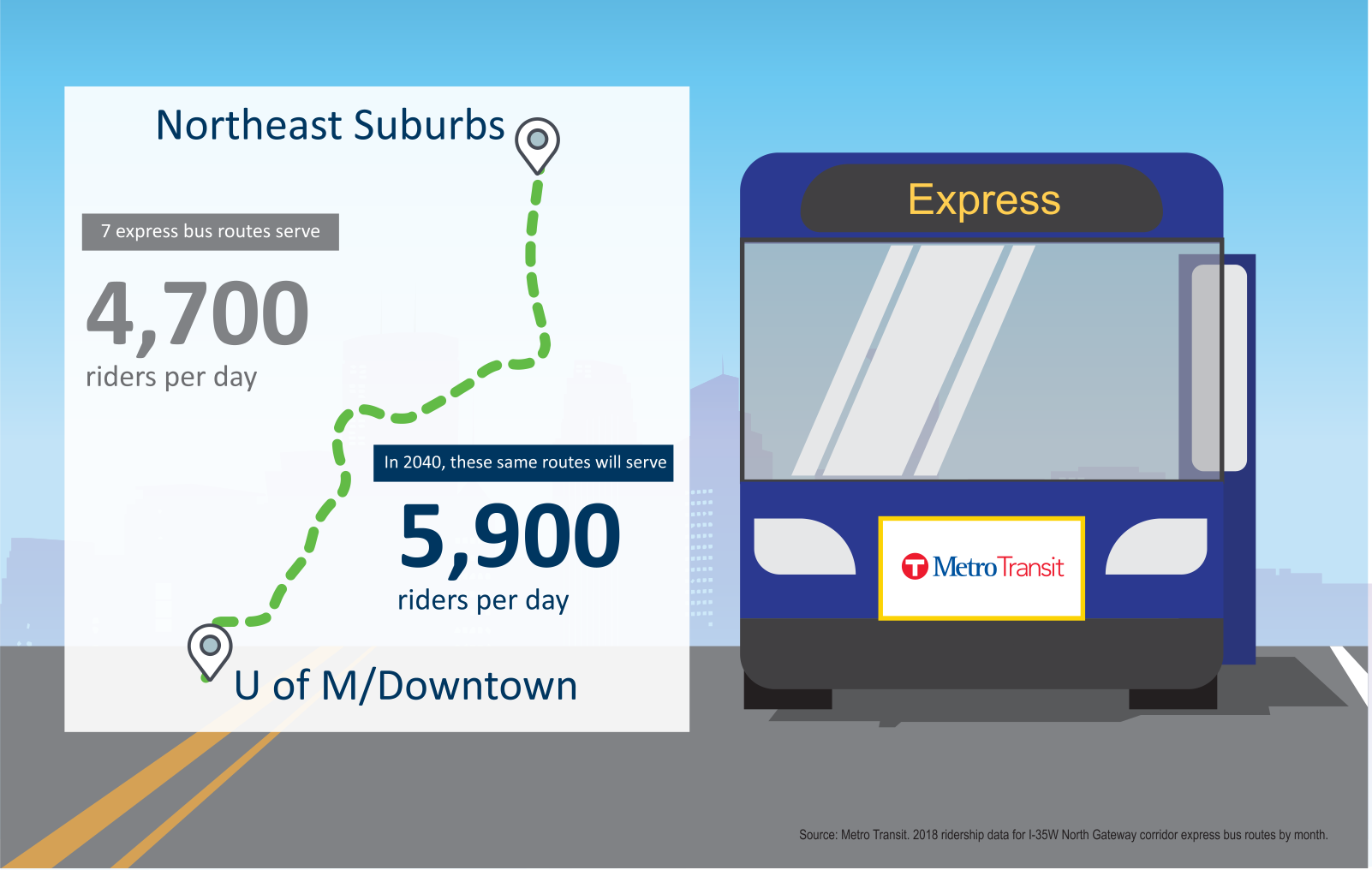 Click on image to enlarge
Transit demand is expected to increase by 2040. However, trip reliability and transit advantages play an important role in increasing overall ridership.
If nothing is done to improve traffic congestion along this stretch of I-35W, travel times will have greater variability in the coming years and affect the reliability of transit service.
Bridge conditions
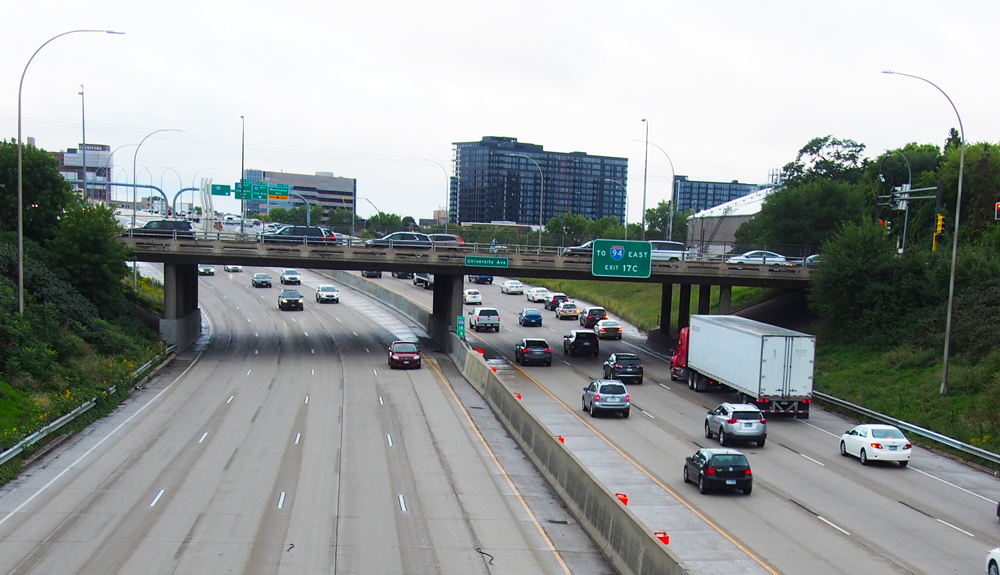
The majority of the bridges along this stretch of I-35W are in relatively good shape. Continued maintenance and preservation work will keep them in good working order, despite being approximately 50-55 years old. In fact, on the National Bridge Inventory’s condition rating scale (0 to 9, with 9 being in excellent condition and 0 being a failed condition), most of the bridges are rated a 6 (satisfactory) or 5 (fair).
Still, if the road pavement will soon reach the end of its service life, there are opportunities to simultaneously address bridge condition when looking at the pavement.
There are 45 bridges that go under or over I-35W within the study area. Some of these bridges will be replaced soon, before any further road upgrades are completed. Our vision for the study area will inform and accommodate their replacement.
Safer trips
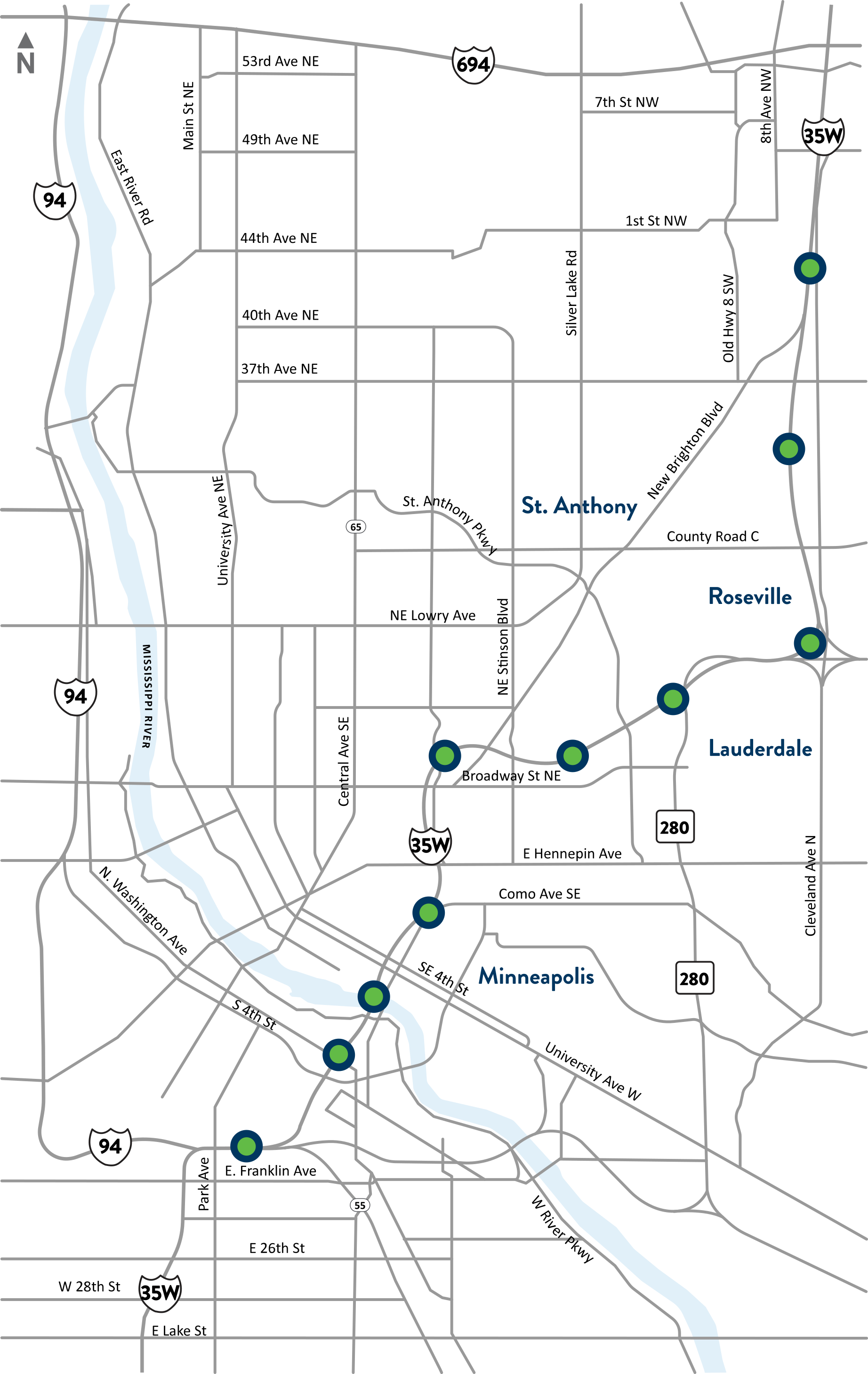
This study provides opportunities to increase driver and passenger safety, and make walking and bicycling within the study area safer. See the graphic below for the results of the five-year vehicle crash analysis (2011-2015) for I-35W from County Road C in Roseville to south of East Franklin Ave. in Minneapolis.
Notes:- The study team chose to analyze crash data from 2011-2015 to better understand how this stretch of I-35W functions without the added stress from nearby construction projects such as the 35W@94: Downtown to Crosstown Project.
- The statewide average crash rate for urban freeways is 0.82.
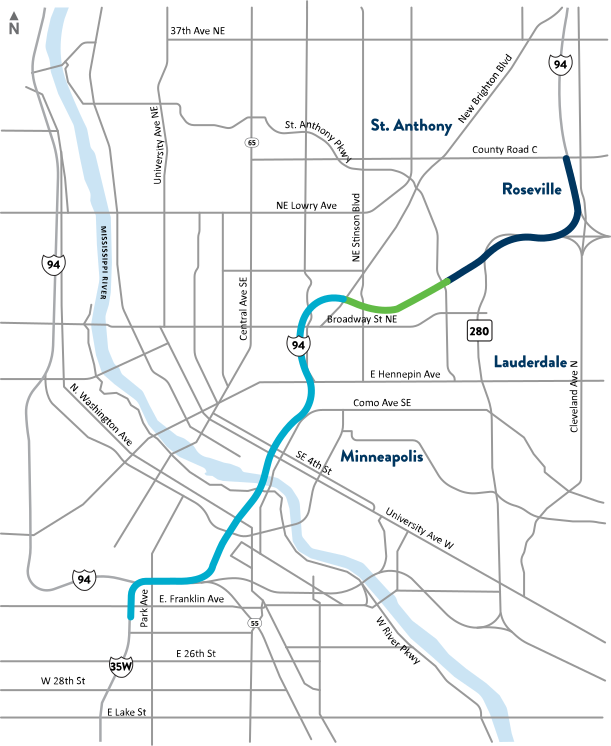
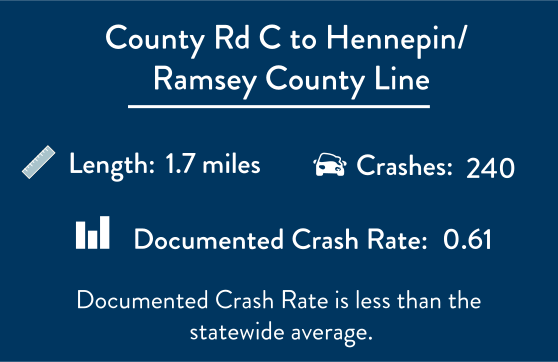
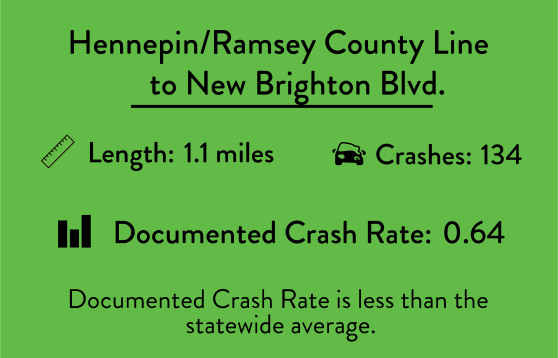
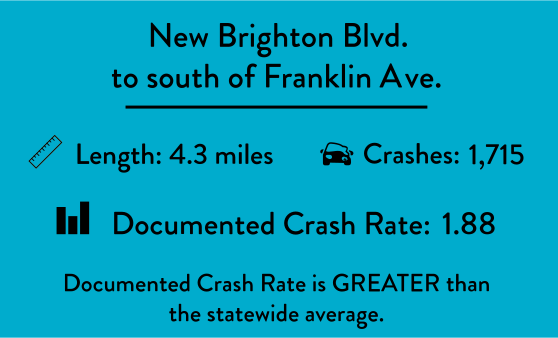
Vehicle crashes are twice the average rate
The documented crash rate on I-35W between New Brighton Blvd and just south of the I-35W/I-94 interchange area is twice as much as similar highways.
Walkability / bikeability
This study provides an opportunity to make high-use people crossings such as University Ave./4th St. SE safe and comfortable. When we examine the crossings along the highway, we'll also look at existing and desired pedestrian facilities to determine:
- Do they meet current Americans with Disabilities Act (ADA) requirements?
- Are they vulnerable and uncomfortable to use?
This will help us further prioritize the study’s needs.
Other considerations

We’re actively listening each time we share information in the community. More information about these considerations and how they influence the development of alternatives will be available as the study progresses.
Stay connected
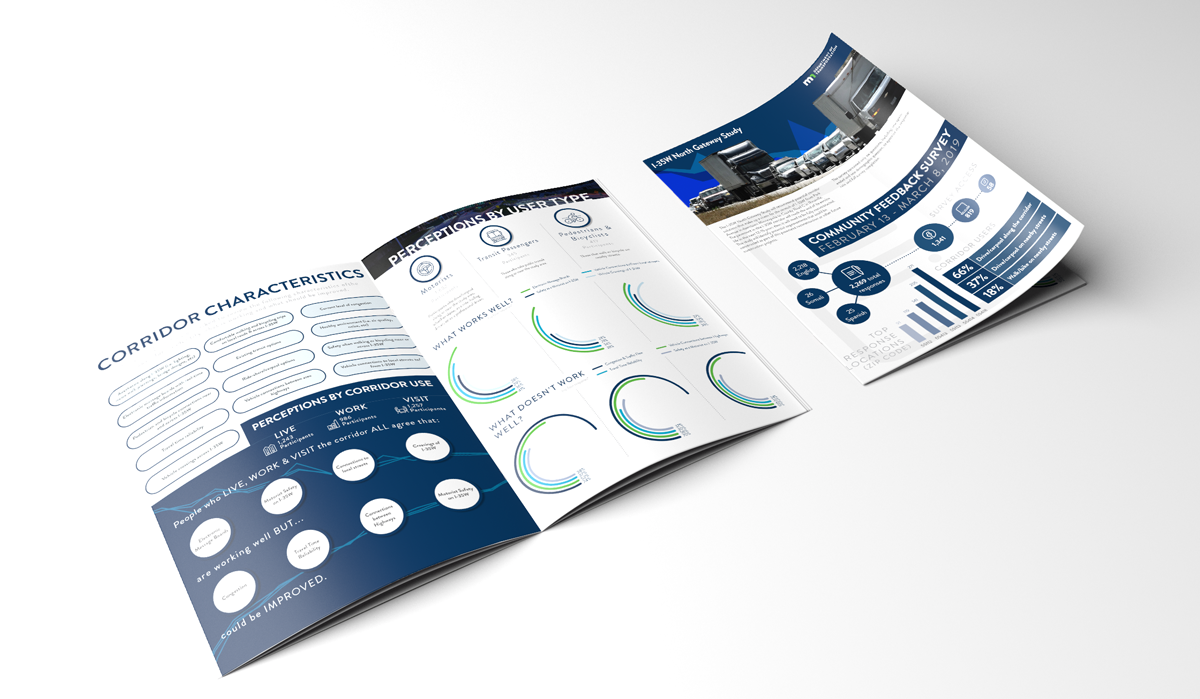
Click on image to see what we’ve heard so far from the community.
Submit a comment
To submit a comment or question, click on the comment button in the top right corner of your screen.
Let's review!
Here are the transportation problems we’ve identified within the study area:
- Road pavement conditions
- Bridge conditions
- Congestion along and across I-35W
- Unpredictable trips/travel time for motorists and transit users
- Crashes along I-35W
- Vulnerable and uncomfortable highway crossings for people walking and bicycling
If you haven’t already, go back one slide and tell us, did we get it right?
What comes next?
As we develop a vision for this stretch of I-35W, we’ll use what we know about the study area to help determine how each proposed improvement or solution solves the problems. You’ll hear from us again when we’re ready to share a first cut of our ideas.
Sign up for email updates
Visit mndot.gov/metro/projects/i35w-north-gateway and sign up to receive email updates so you’ll know when we’re looking for more community input.